Hasan Khan
For Stéphane Demonty, MMA officiating is not separate from the martial arts journey. It is another way of understanding the sport in its fullest technical detail.
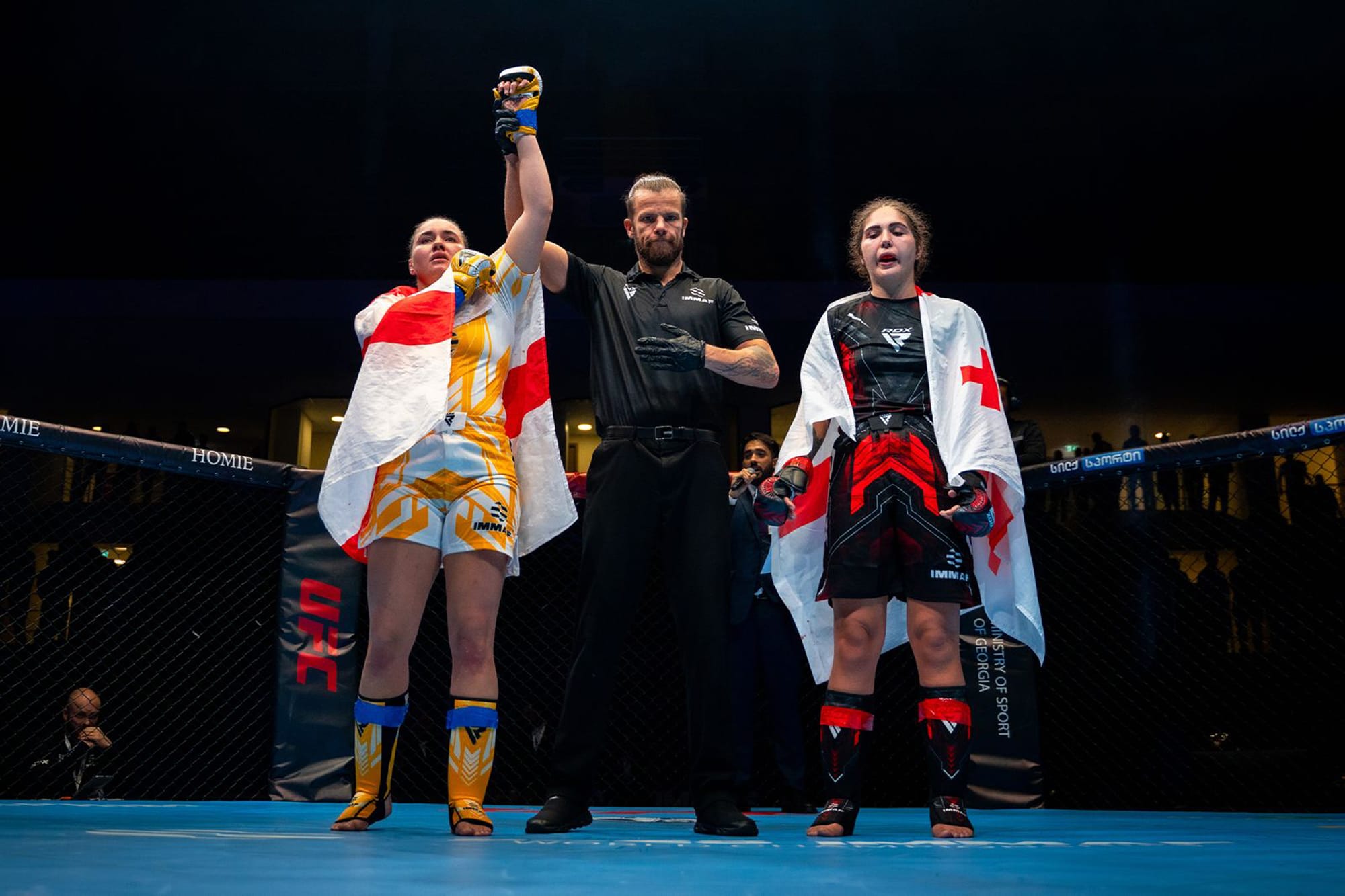
With 40 years of experience across judo, kyokushin, Shotokan karate, Muay Thai, kickboxing, wrestling, Brazilian Jiu-Jitsu and MMA, Demonty brings a rare breadth of knowledge to his work as an IMMAF Official and Tutor. A coach, competitor and international official, he has officiated thousands of youth, amateur and professional bouts while continuing to support the development of referees and judges across the IMMAF network.
His route into officiating grew naturally from a lifelong interest in the technical side of combat sport. Having spent years competing and coaching, he wanted to develop a deeper understanding of the rules, protocols and decision-making that shape competition inside the cage.
Today, as IMMAF’s multilingual Course Tutor, Demonty travels internationally to deliver the federation’s officiating education programme to both new and nationally established officials seeking international certification.
Education Without Language Barriers
Demonty’s work as a multilingual tutor is particularly valuable in a global sport where technical education must be clear, consistent and accessible.
While English remains the international language of MMA, he believes that being able to deliver courses in the language most familiar to attending officials can make an immediate difference. Over an intensive two-day course, referees and judges are expected to absorb detailed information on rules, scoring, safety, protocols and communication. Delivering that material in English, French, Dutch, Japanese, German, Spanish or Russian can help participants engage more confidently with the content and apply it more effectively.
This is not simply about translation. It is about giving officials the best possible foundation from the outset, combining technical knowledge with the teaching methods needed to explain complex situations clearly.
Demonty believes that practical learning remains central to this process. Courses allow officials to study the rules together, discuss difficult scenarios and receive direct feedback in a structured environment. Technology can strengthen that learning through presentations, video analysis and regular online discussions between officials in different countries.
“The most efficient method will always be to attend the actual course, absorb the knowledge that is shared, talk about it and different situations, and then practice all together with immediate and constructive feedback,” Demonty tells us.
Mentorship and Progression
For Demonty, experienced officials have a crucial role in supporting those at the beginning of their journey. Mentorship provides the connection between national-level activity, continental competition and international events.
“It is paramount as we are the link for them to build up from the national level, to continental level to then international level,” he explains.
That pathway is particularly important in a discipline where judgement is shaped by experience. Officials need someone they can turn to with questions, share interpretations with and learn from as they encounter more complex competition environments.
The new continental structure can strengthen this progression by creating a clearer stage between national development and global events. Officials who have gained sufficient experience at home can move into continental tournaments, building their confidence and technical judgement before taking on international assignments.
It also enables continental bodies to focus closely on the officials within their region, helping them assess performance, identify development needs and provide more targeted opportunities.
Consistency as a Non-Negotiable Standard
Demonty sees standardised officiating as fundamental to athlete welfare, fairness and the credibility of the sport.
For athletes, consistent application of the rules means a safer and more transparent competition environment. They need to know that fouls, scoring, interventions and stoppages will be handled fairly, regardless of where they compete or who is overseeing the bout.
For officials, standardisation requires ongoing education. Passing an examination is not the final destination but the starting point of continued development. IMMAF certification provides officials with a provisional international foundation, while national experience, tournament refreshers and regular feedback help them grow from there.
“The biggest thing is having a platform to keep growing as an official. At IMMAF, we provide that platform,” Demonty says.
Refresher sessions before continental and international events help ensure that newer and more experienced officials remain aligned on rule updates, protocols, stoppages and complex bout situations. This shared preparation supports consistent decisions across the entire officiating team.
Raising the Standard Together
Demonty believes the progress made through IMMAF’s current education and officiating systems demonstrates the value of a detailed, structured approach. The aim is not only to create qualified referees and judges but to develop an international community that learns collectively, evaluates itself honestly and continues to improve.
For Stéphane Demonty, the future of officiating rests on quality education, sustained mentorship and a consistent pathway through which every official can progress. By making that pathway more accessible across languages and continents, he is helping strengthen the technical foundation of MMA worldwide.