Hasan Khan
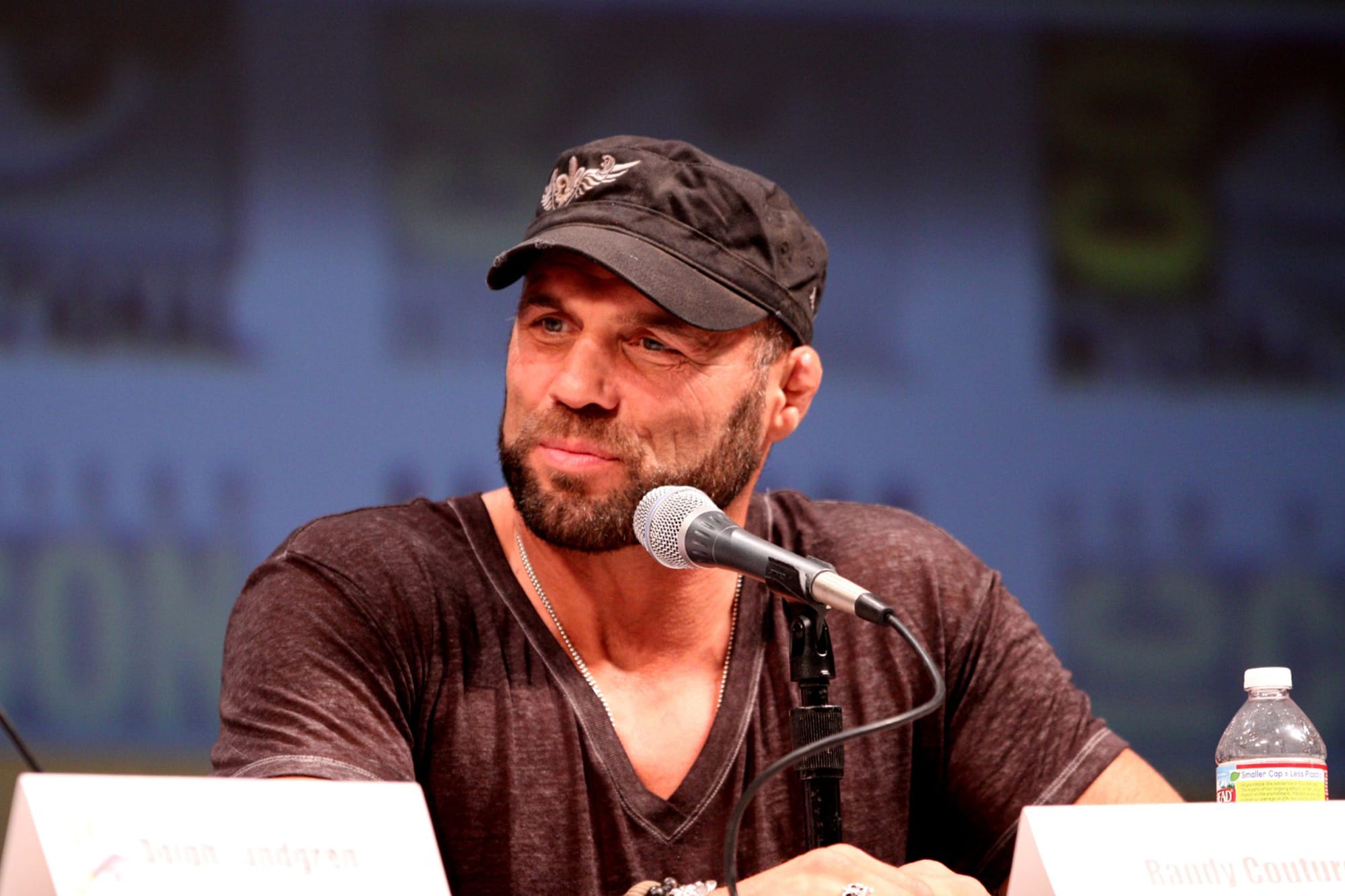
Randy “The Natural” Couture’s name is synonymous with excellence in mixed martial arts. A six-time UFC world champion and former U.S. Army sergeant Couture is recognised not only for his achievements inside the cage, but for the discipline, humility and resilience that defined his career. Today, as a new addition to the UFSL’s coaching team, he is applying those same values to a different kind of mission: equipping young people with the mental and emotional tools to stand up to bullying and adversity.
Raised in Washington state, Randy Couture experienced bullying during his early teens, an experience that ultimately led him to the wrestling mats. He credits the sport with instilling a sense of structure and inner confidence, values that would shape the rest of his life.
“You need to be willing to stand and have the confidence to stand up for yourself,” he said, reflecting on the mindset he developed during that formative period.
Beyond his achievements in the cage, Couture has remained involved in the sport through coaching, speaking engagements and youth outreach. Drawing on his own experiences with bullying and personal adversity, he often emphasizes the importance of mental resilience over physical dominance. Recently featured in Stand for the Silent’s feature article, “Scars You Can’t See: Why Even Champions Aren’t Bully-Proof,” underscoring that no amount of athletic success makes someone immune to deeper struggles. His reflections, shaped by both parenting and years of competition, highlight the need for young people to develop confidence, emotional control and self-awareness. Couture’s perspective aligns with broader global efforts, such as those of IMMAF, to position martial arts as a tool for education, personal growth and character development.
Couture speaks about the evolution of bullying in the age of social media, where online platforms have removed the traditional boundaries of time and space.
“There is no respite,” he notes. “The rhetoric just gets really out of control, and then you wonder why some of these kids show up at school with weapons.”
This constant exposure to hostility and comparison, he argues, creates emotional strain for young people who are still developing the skills to manage it.
Rather than advocating retaliation or confrontation, Couture promotes internal strength. He emphasises practices that help young people regulate stress responses, such as controlled breathing, mental rehearsal, and positive self-talk, methods drawn from sports psychology but applicable far beyond competition.
Couture is particularly vocal about the importance of recognising the “inner voice” and learning how to manage it. He encourages students to challenge negative internal dialogue and replace it with affirmations that reinforce focus, confidence and self-awareness. His recommendations are practical: write affirmations on cards, post them in everyday spaces and use them consistently to build resilience.
“You control that voice in your head, it does not control you. Let it chatter on, you don’t have to engage…. recognising that you have the power… Most of us walking around are oblivious to how much power that has… To control all of that, give yourself those affirmations, write them on a three-by-five card… when that voice starts chattering and being negative and undermining your confidence, start reciting those affirmations that keep you on track and keep you in that positive mindset. Eventually, you don’t need the cards anymore.”
Informed by personal history, Couture also speaks about early intervention and the need to address root causes of bullying behaviour. He believes many young aggressors are themselves carrying trauma or insecurity, and that institutions must take a more active role in identifying and supporting at-risk students, before the damage escalates.
Couture’s message aligns with broader efforts in martial arts education, a focus on character development rather than combat. Programmes he supports teach restraint, awareness and empathy, helping students distinguish between assertiveness and aggression. The goal is not to empower children to fight, but to equip them with a mindset that allows them to navigate difficult social environments with confidence and clarity. IMMAF’s global amateur framework reflects this same principle by ensuring that martial arts is taught within a structured environment that values respect as much as performance.
His perspective also resonates with other athletes turned advocates, such as Irann Orozco, whose own anti-bullying journey is featured by “Stand for the Silent”. Like Couture, Orozco believes martial arts not as a tool for confrontation, but as a structure that fosters community, discipline and emotional stability. Their shared view is that sports, when taught ethically, can transform not just bodies, but identities.
Couture’s experience as both a father and a public figure reinforces his approach. He has spoken about situations involving his own son, in which administrative inaction left few choices. These stories are not shared for drama, but to illustrate the importance of balanced systems, ones that empower students while holding institutions accountable for creating safe learning environments.
With a professional fight record that includes both high-profile victories and hard-fought defeats, Couture has long rejected the idea that success is measured solely by outcomes.
“The championship spirit,” he said, “is how you deal with the adversity of those losses.”
That philosophy continues to inform his work outside the cage, where the stakes are higher and the audience younger.
Beyond his advocacy work, Couture remains active in the martial arts community as the founder of “Xtreme Couture MMA”, a Las Vegas-based gym known for its disciplined training environment and track record of developing elite athletes. He also runs the “Xtreme Couture GI Foundation”, a non-profit organisation that supports wounded military veterans and their families. His belief in service echoes wider structures like IMMAF, which help ensure that martial arts continues to grow as a force for both sporting and social good.
This philosophy of service continues to inform his work outside the cage, where the stakes are higher and the audience younger.
Through his advocacy, mentorship and educational outreach, Randy Couture is helping shape a new definition of strength, one based not on domination, but on self-awareness, mental clarity and responsible leadership. As martial arts continues to expand its role in youth development worldwide, voices like his remain essential in ensuring that the sport stays grounded in its highest values.